Betsy Jacobson -- the organizational consultant and leadership coach who has spent decades helping individuals and companies find sustainable ways to perform at their best -- gave us one of the most clarifying reframes in the entire conversation abou
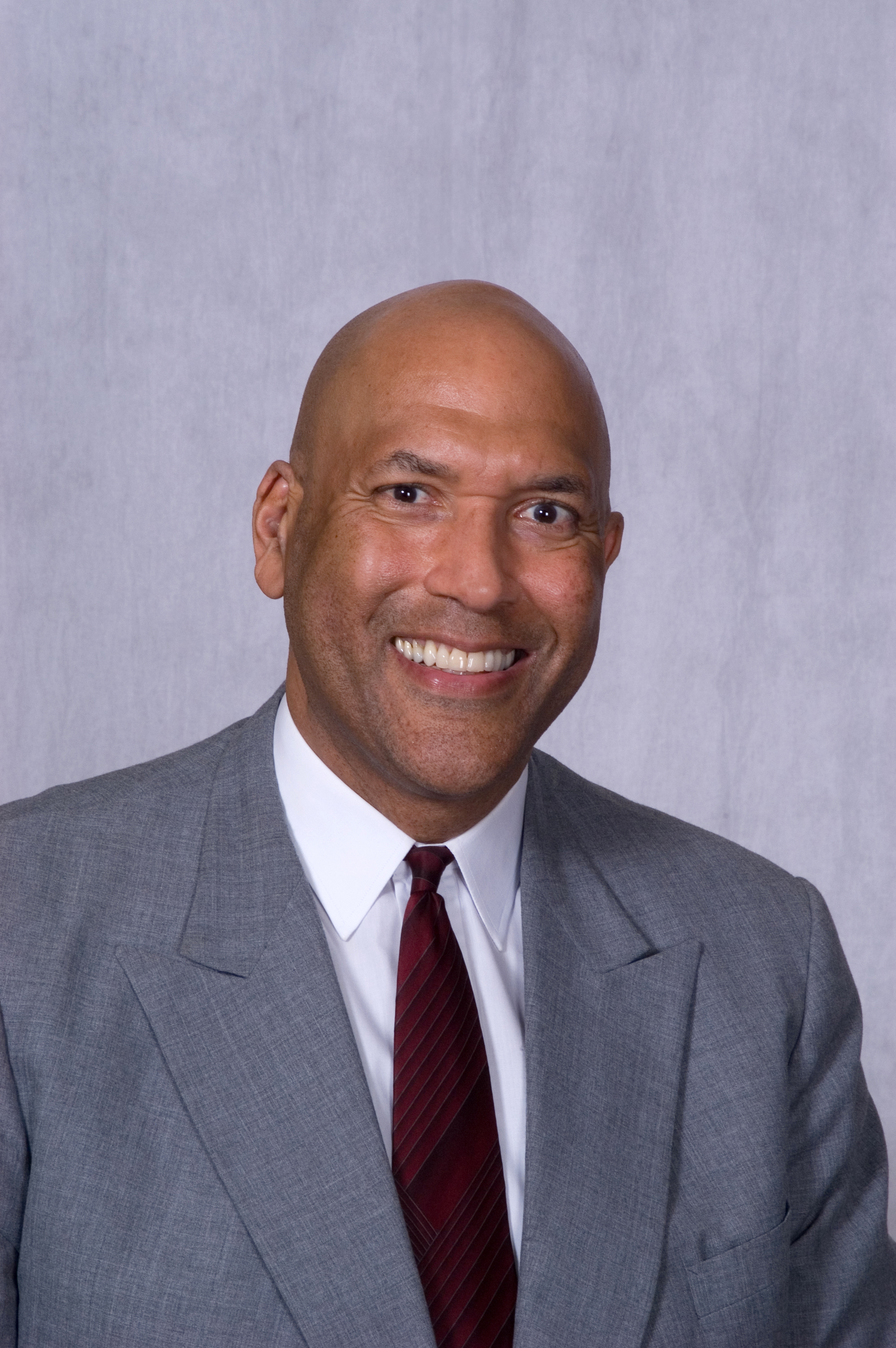
Betsy Jacobson -- the organizational consultant and leadership coach who has spent decades helping individuals and companies find sustainable ways to perform at their best -- gave us one of the most clarifying reframes in the entire conversation about work-life balance: balance is not better time management, but better boundary management. Balance means making choices and enjoying those choices. It is a deceptively simple observation. And it changes everything.
Betsy Jacobson -- the organizational consultant and leadership coach who has spent decades helping individuals and companies find sustainable ways to perform at their best -- gave us one of the most clarifying reframes in the entire conversation about work-life balance: balance is not better time management, but better boundary management. Balance means making choices and enjoying those choices.
It is a deceptively simple observation. And it changes everything.
For most of us, when we feel out of balance -- when life feels like too much, when we are perpetually behind, when we cannot seem to give adequate attention to the things that matter most -- our instinct is to reach for better time management. We look for a new system. A better calendar. A more efficient morning routine. A productivity app that will finally help us squeeze everything in. We believe, at some level, that the problem is organizational: if we could just arrange the hours more cleverly, we could fit it all in and feel balanced at last.
Jacobson is telling us, gently but firmly, that this is the wrong diagnosis. And a wrong diagnosis leads to the wrong treatment.